
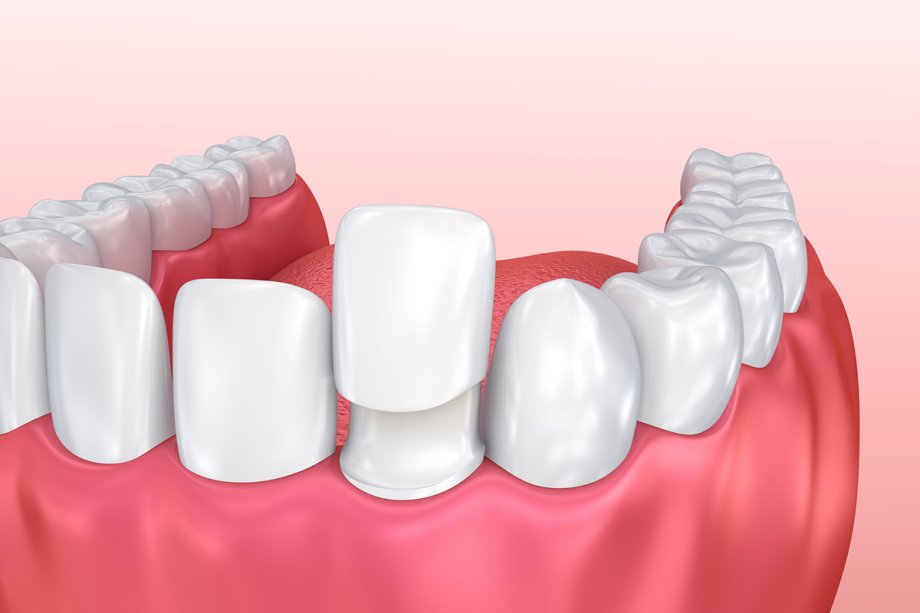
A healthy, radiant smile can profoundly impact your confidence and overall well-being. When our patients seek to enhance their smiles, they often have questions about the most effective and enduring treatments available. One of the most common inquiries we receive regarding dental veneers in Midtown centers around choosing the right material for their unique needs. Dental veneers offer a remarkable way to correct discoloration, chipped teeth, and minor misalignments, but deciding between porcelain and composite options requires careful consideration.
Our dental professionals understand that choosing the right cosmetic treatment is a significant decision. Both porcelain and composite veneers have exceptional track records for safety and aesthetic appeal, but they differ fundamentally in how long they last, how they are applied, and how they respond to daily wear. In this guide, we will walk you through the specifics of each material so you can make an informed, confident choice about your dental health.
The Strength and Elegance of Porcelain Veneers
Porcelain veneers are widely recognized for their exceptional durability and their ability to closely mimic the light-reflecting properties of natural teeth. Crafted from a strong, glass-like ceramic material, these ultra-thin shells are custom-made in a dental laboratory to fit perfectly over the front surface of your teeth. Because we believe in an evidence-based treatment approach, we highly recommend porcelain for patients looking for a long-term, highly resilient cosmetic solution. The ceramic material is fired at intense temperatures, granting it a structural integrity that stands up beautifully to the daily pressures of biting and chewing.
Beyond their sheer physical strength, porcelain veneers offer unparalleled resistance to staining. The non-porous nature of high-quality dental porcelain means that common dietary culprits like coffee, tea, and red wine slide right off the surface rather than settling into the material. With a meticulous application process and proper care, porcelain provides a reliable, robust barrier that protects your underlying tooth while maintaining a brilliantly white appearance for years.
The Versatility and Accessibility of Composite Veneers
Composite veneers present a fantastic, highly versatile alternative to porcelain. Made from a tooth-colored composite resin—the same trusted material used for dental bonding and cavity fillings—these veneers can often be applied directly to your teeth in a single visit. Our team carefully sculpts, shapes, and polishes the resin directly on your tooth structure, allowing for immediate aesthetic improvements. This direct application process is minimally invasive and requires little to no removal of your natural tooth enamel, which offers peace of mind for patients looking for a more conservative approach.
Financially, composite veneers are typically more accessible upfront than their porcelain counterparts, making them an excellent entry point for patients wanting to upgrade their smiles. While the composite resin is highly durable and looks beautiful, it is naturally more porous than fired ceramic. This means that, over time, composite veneers can absorb stains from dark-colored foods and beverages, requiring occasional professional polishing. However, one distinct advantage is that if a composite veneer ever chips or sustains damage, we can easily and quickly repair the specific area without needing to replace the entire veneer.
Comparing Lifespans: Which Material Endures?
When it comes to the ultimate question of longevity, porcelain veneers are the clear frontrunner. On average, high-quality porcelain veneers last between 10 to 15 years, and with impeccable oral hygiene, they can often endure up to 20 years. Composite veneers generally have a shorter lifespan, typically lasting between 5 to 7 years before they may need to be repaired or replaced due to wear or discoloration.
However, the longevity of either material heavily depends on your lifestyle habits and daily maintenance routines. To ensure you get the absolute most out of your investment, we recommend keeping the following factors in mind:
- Oral Hygiene: Consistent brushing twice a day with a non-abrasive toothpaste, daily flossing, and regular dental checkups are non-negotiable for extending the life of your veneers.
- Dietary Choices: While porcelain is stain-resistant, avoiding excessive consumption of hard foods (like ice or hard candies) protects both porcelain and composite materials from chipping.
- Teeth Grinding (Bruxism): Clenching or grinding your teeth can exert massive force on veneers, leading to cracks or fractures. If you grind your teeth at night, we highly recommend wearing a custom-fitted nightguard to protect your smile.
- Using Teeth as Tools: Opening packaging or biting your nails can quickly damage any dental restoration. Treat your veneers with care to preserve their structural integrity.
Our genuine priority is providing you with the highest level of care, which includes giving you the knowledge and tools you need to maintain your gorgeous results for as long as possible.
Making the Right Choice for Your Smile
Deciding between porcelain and composite veneers ultimately comes down to your personal goals, budget, and lifestyle. Porcelain offers unmatched longevity, incredible stain resistance, and top-tier durability, making it an excellent long-term investment. Conversely, composite resin provides a fast, minimally invasive, and easily repairable solution that looks wonderful and functions beautifully for several years. Our team is here to listen to your needs, evaluate your oral health, and guide you toward the material that will serve you best. We are passionate about our work, and we truly enjoy helping our patients achieve the radiant, healthy smiles they deserve.
Frequently Asked Questions About Dental Veneers
How do I care for my new veneers?
Caring for your veneers is very similar to caring for your natural teeth. We recommend brushing twice daily using a soft-bristled toothbrush and a gentle, non-abrasive toothpaste to prevent scratching the surface. Daily flossing is equally important to maintain the health of your gums and prevent decay in the underlying tooth structure. Additionally, keeping up with your biannual dental cleanings and exams allows us to monitor the health of your veneers and address any minor issues before they become problematic.
Does the veneer application process hurt?
Your comfort is our top priority, and we take every measure to ensure the veneer process is as smooth and pain-free as possible. For porcelain veneers, a very thin layer of enamel must be gently buffed away to make room for the ceramic shell; we typically use a localized anesthetic to ensure you feel completely comfortable during this step. Because composite veneers often require little to no enamel removal, the process is generally virtually painless and frequently performed without the need for any anesthesia.
At Midtown Dental Care Associates, we are a full-service dental practice dedicated to providing you with the highest level of care in a comfortable, welcoming setting. We take pride in employing evidence-based techniques to help our patients achieve and maintain exceptional oral health. If you are ready to explore your cosmetic dental options, schedule a consultation with our expert team today.
